

How a Chiropractor Evaluates Your Workspace for the Right Office Chair
The Clinical Observation Process
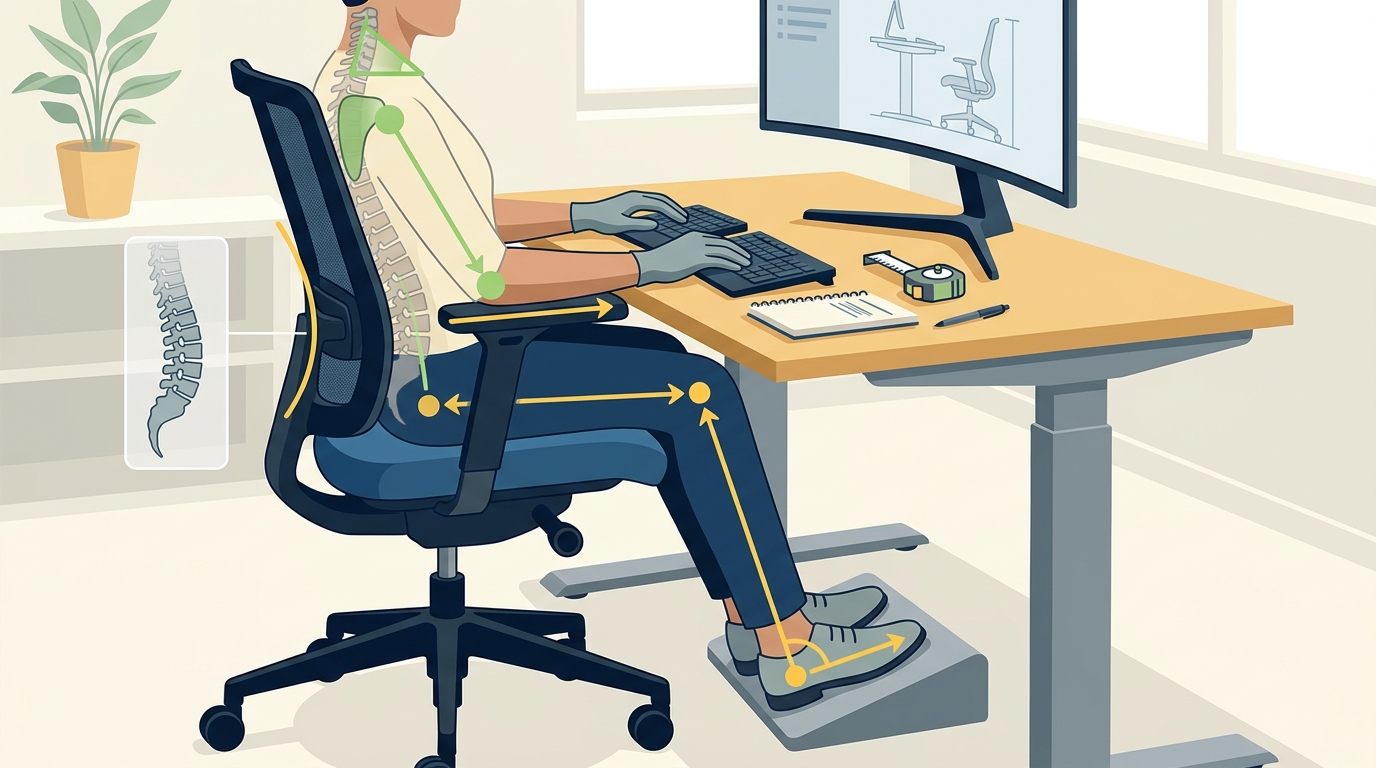
A chiropractic ergonomic assessment begins with a visual observation of how you sit and move. Dr. Grant Radermacher, a Doctor of Chiropractic, notes that postural assessment is the first step in determining chair fit. The clinician watches how your shoulders relax, how your feet rest on the floor, and how your spine aligns when you type. This observation reveals whether your current setup forces you into compensatory positions that strain your muscles.
For example, if your shoulders are consistently hunched forward, the chair may lack adequate lumbar support or the desk may be too high. The chiropractor looks for signs of tension in the neck and upper back. This is not a one-time check; it involves watching you perform your typical tasks, such as typing, reading, and reaching for a mouse. The evidence from this observation helps identify which adjustments are most critical for your comfort.
Measuring Your Body and Desk
After observing your posture, the chiropractor measures your body dimensions and your workspace. Ergonomic measurement is the process of matching chair adjustments to your physical proportions. Key measurements include your inseam for seat height, your forearm length for armrest height, and your torso length for backrest support. These numbers determine whether a chair can physically fit your body.
The desk height is also measured relative to your elbow position. According to OSHA computer workstation guidance, the keyboard should be at or slightly below elbow height to keep wrists straight. If your desk is fixed and too high, a chair with adjustable armrests becomes essential. The implication is that a chair that fits your body but not your desk will still cause strain. The chiropractor ensures the chair and desk work together as a single system.
Identifying Movement Restrictions
Chiropractors also assess your range of motion and any existing pain or stiffness. Musculoskeletal evaluation is the clinical process of identifying limitations in joint movement and muscle flexibility. If you have limited hip mobility, a chair with a fixed seat depth may feel uncomfortable. If you have lower back pain, the chair’s lumbar support must be adjustable to match your natural spinal curve.
For instance, a person with a shorter torso may need a chair with a lower backrest to avoid pressure on the shoulders. A person with a longer torso may need a taller backrest to support the upper back. The chiropractor uses this information to recommend specific chair features. The evidence from your movement assessment helps narrow down the right chair from a wide market of options. It prevents you from buying a chair that looks good but does not support your specific needs. according to Chair
Matching Chair Features to Your Needs
Once the assessment is complete, the chiropractor matches your findings to specific chair features. Chair feature matching is the process of selecting adjustments that address your postural and movement needs. For example, if your assessment shows that you need independent pelvic and upper-back support, a chair with separate adjustments for these areas may be a good fit. The Anthros Chair is one option that offers independently adjustable pelvic and upper-back support, which may suit users who prefer a more upright sitting setup.
Other features to consider include seat depth, armrest adjustability, and backrest tilt. The chiropractor explains the tradeoffs of each feature. A premium chair is not automatically a better fit; it must match your specific needs. The implication is that you should buy for fit and usability, not for a brand name or a promise to fix every ache. The office chair buying guide on Ask Dr. Grant provides a checklist for comparing these features.
Adjusting Your Current Setup First
Before buying a new chair, a chiropractor will often recommend adjusting your current setup. Workspace adjustment is the process of modifying your existing chair and desk to improve fit. This may include adding a footrest, adjusting the monitor height, or changing the keyboard position. These small changes can make a big difference in comfort and reduce the need for a new chair.
For example, if your feet do not reach the floor, a stable footrest can help. If your monitor is too low, a monitor riser can bring it to eye level. The chiropractor guides you through these adjustments and monitors your response. The evidence from this trial period helps determine if a new chair is necessary. The office chair topic page on Ask Dr. Grant offers more guidance on adjusting your current setup.
Key Takeaways
- A chiropractor evaluates your workspace by observing your posture, measuring your body and desk, and identifying movement restrictions.
- Postural assessment reveals how your current setup affects your spinal alignment and muscle tension.
- Ergonomic measurement matches chair adjustments to your physical proportions, such as inseam and forearm length.
- Musculoskeletal evaluation identifies limitations in joint movement and muscle flexibility that affect chair fit.
- Chair feature matching selects adjustments that address your specific postural and movement needs.
- Workspace adjustment involves modifying your existing chair and desk to improve fit before buying a new one.
- A premium chair is not automatically a better fit; it must match your specific needs and workspace.
Frequently Asked Questions
What does a chiropractor look for during an ergonomic assessment?
A chiropractor looks at your posture, measures your body and desk dimensions, and identifies any movement restrictions or pain. This helps determine which chair features will best support your specific needs.
How long does a chiropractic ergonomic assessment take?
Do I need a new chair if I have back pain?
Not necessarily. A chiropractor may recommend adjusting your current setup first. If a new chair is needed, they will help you choose one that fits your body and workspace.
What is the most important chair feature for a chiropractor?
The most important feature is adjustability. A chair that can be adjusted to fit your body and desk is more likely to provide long-term comfort and support.
Can a chiropractor prescribe a specific chair brand?
A chiropractor can recommend specific chair features and may suggest brands that offer those features. However, the final decision is yours, based on your budget and preferences. according to Chair
Where can I get personalized office chair recommendations from a chiropractor?
Find Your Fit with Ask Dr. Grant
Ask Dr. Grant helps you navigate the complex world of office chairs with clear, evidence-based guidance. By understanding how a chiropractor evaluates your workspace, you can make a more informed decision about your next chair. Visit Ask Dr. Grant to explore our buying guides and find a chair that fits your body and your life.